“`html
Introduction to the Future of Mobile Devices
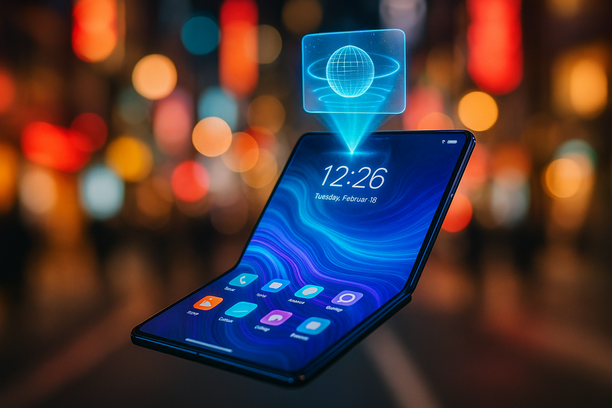
The evolution of handheld devices has been rapid, marked by technological advancements that consistently redefine user experience and functionality. Initially dominated by simple communication and basic features, the mobile device landscape has transformed dramatically over the years, incorporating capabilities that were once the realm of computers. As we look toward 2026, several innovations are on the horizon that promise to revolutionize mobile technology further. First, the implementation of foldable and rollable screens is set to become mainstream, allowing for larger display areas while maintaining portability. Companies like Samsung and LG are at the forefront of this shift, enhancing user engagement through versatile designs that adapt to various needs (Source: Synap Tech Labs).
Another exciting development is the integration of advanced artificial intelligence within mobile devices. AI will facilitate smarter personal assistants and provide deeper insights into user behavior and preferences, thereby enhancing personalization and security measures. The next generation of AI-driven applications promises to streamline daily tasks and intuitively learn from user interactions, marking a significant leap in mobile usability (Source: Synap Tech Labs).
Key Features to Expect in 2026 Handheld Devices
In 2026, handheld devices are set to feature a range of groundbreaking technologies that will redefine the user experience. Here are some of the key advancements to expect:
- Advanced Display Technologies: Expect handheld devices to incorporate MicroLED and OLED displays that offer stunning picture quality with improved brightness, contrast, and energy efficiency. These displays will support higher refresh rates, making gaming and video playback extraordinarily smooth. Additionally, foldable and rollable screen technologies will make devices more versatile, allowing for larger screen real estate without increasing the overall size of the device. Innovations like flexible screens are paving the way for more adaptable designs.
- Revolutionary Battery Technology: Batteries in 2026 handheld devices might be based on solid-state technology, offering greater energy density and faster charging times while minimizing safety risks and longevity issues associated with current lithium-ion batteries. This advancement could result in devices that last several days on a single charge and recharge in mere minutes.
- Artificial Intelligence Integration: A significant shift will occur as AI becomes deeply embedded in device operations, enhancing personalization and user interaction. Features like adaptive user interfaces that learn from individual habits, optimized performance settings based on usage patterns, and AI-driven photography enhancements will redefine what users can expect from their devices (Source: Synap Tech Labs).
Impact of 5G and Beyond
The introduction of 5G technology is poised to revolutionize mobile device capabilities, enhancing functionality across various sectors. With increased data speeds—up to 10 Gbps—5G can enable applications like augmented reality (AR) and virtual reality (VR) to function seamlessly, delivering immersive experiences that were previously constrained by network limitations. This shift also paves the way for smarter devices that utilize artificial intelligence (AI) to respond to user needs in real-time, fostering an intuitive interaction between users and technology (Source: SynapTech Labs).
Moreover, the reduced latency of 5G networks—down to as low as 1 millisecond—means that applications requiring instantaneous feedback, such as remote surgery or autonomous vehicles, can operate more reliably. Future networks, including 6G, are expected to further enhance these capabilities, pushing for greater integration of Internet of Things (IoT) devices, which could lead to smart cities with interconnected infrastructures (Source: SynapTech Labs).
As mobile networks evolve, manufacturers will likely produce devices that leverage these advancements, encapsulating ever-increasing functions and capabilities (Source: SynapTech Labs).
Trends in Mobile Device Design and Usability
Emerging trends in mobile device design are increasingly prioritizing user ergonomics, sustainability, and aesthetic appeal.
- User-Centric Ergonomics: Designers are focusing on ergonomics to ensure that devices are comfortable to use for extended periods. This includes optimizing device weight, shape, and button placement to enhance user experience (Source: TechRadar).
- Sustainability Practices: With growing awareness of environmental issues, manufacturers are incorporating sustainable materials such as recycled plastics and biodegradable components into their device designs. Brands like Apple are leading the charge with their commitment to using 100% recycled aluminum in select products (Source: Apple Newsroom).
- Aesthetic Appeal and Customization: Modern mobile devices are also embracing unique aesthetics, allowing for more personalization. From customizable color options to unique finishes, companies are allowing users to express their individuality through their devices (Source: Wired).
The Future Landscape: Market Predictions and Consumer Choices
By 2026, the market for handheld devices is projected to experience significant transformations driven by advancements in technology and shifts in consumer preferences. According to industry forecasts, the handheld device market is set to surpass $500 billion, with a compound annual growth rate (CAGR) of 8.5% from 2024 to 2026 (Source: Research and Markets).
One of the key factors influencing market dynamics is the growing demand for multifunctional and versatile devices. Consumers are increasingly favoring devices that integrate multiple capabilities, such as high-resolution cameras, advanced gaming features, and productivity tools. This trend is reflected in the rising popularity of smartphones, tablets, and hybrid devices that cater to both personal and professional needs (Source: Statista).
Furthermore, increased focus on sustainability and eco-friendly materials is shaping consumer choices. Brands that adopt green practices and promote recyclable materials in their device manufacturing are likely to appeal more to environmentally conscious consumers. Research indicates that over 60% of consumers are more likely to purchase from brands that emphasize sustainability in their products (Source: Nielsen).
In terms of design, sleek, minimalistic aesthetics combined with enhanced usability are becoming essential selling points. Customization options, such as interchangeable covers or modular components, are also gaining traction, allowing consumers to personalize their devices to fit their individual styles (Source: Forbes).
Overall, the convergence of innovative technologies, consumer expectations for multifunctionality, sustainability, and personalized design will define the handheld device market landscape in 2026, paving the way for new business models and marketing strategies.
Sources
- Apple Newsroom – Apple Supplies 100% Recycled Aluminum in Several Products
- Synap Tech Labs – How 5G Technology Is Transforming Remote Work: A Game Changer
- Synap Tech Labs – The Electric Revolution: Why E-Bikes Are Transforming Urban Mobility in 2025
- Synap Tech Labs – List of Best Android Mobile Devices
- Synap Tech Labs – Exploring the Future of Renewable Energy: Innovations and Challenges Ahead
- Synap Tech Labs – Top 7 Emerging Technologies That Will Shape the Next Decade
- Synap Tech Labs – Exciting Innovations in AR, VR, and MR Unveiled at CES 2025
- Synap Tech Labs – The Future of Home Automation: How IoT Is Revolutionizing Smart Homes
- Synap Tech Labs – The Top Emerging Technologies to Watch in 2024: From AI to Quantum Computing
- Forbes – Personalization Key to Next Generation Tech Products
- Nielsen – Global Consumer Report: Sustainable Shoppers
- Research and Markets – Handheld Devices Market: Growth, Trends, Forecast
- Statista – Handheld Devices
- TechRadar – What is a Curved Screen?
- Wired – Smartphones: The Color of Meaning
“`