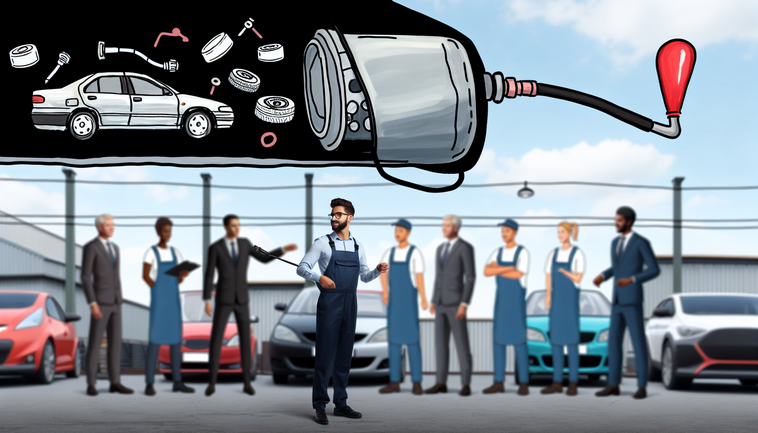
A sudden recall affecting more than 300,000 Hyundai and Kia vehicles has put drivers on high alert, as the root of the problem lies in fuel tanks that can soften or deform under normal operating conditions. With heat and pressure conspiring against a key safety component, owners are being asked to look for telltale warnings before any serious damage occurs.
According to internal reports, the root cause appears to stem from a material compound in the tank that degrades when exposed to hot fuel and repeated vibration. Over time, that weakening can lead to leaks or even an unexpected rupture. While no injuries have been publicly linked to the defect, the prospect of a compromised fuel system is enough to prompt a swift response by the automakers.
Drivers should stay vigilant for signs such as an unusual gasoline odor around the car, visible dampness near the fuel tank or under the rear bumper, and in extreme cases, a noticeable drop in fuel efficiency. Any of these symptoms warrants an immediate inspection, since what begins as a minor seepage could escalate into a serious safety hazard if left unchecked.
For affected owners, the recall means scheduling a no-cost inspection and, if needed, a replacement fuel tank at an authorized dealership. While this process can be inconvenient—potentially leaving you without your vehicle for a few days—it’s important to weigh that delay against the risk of driving with a compromised fuel system.
Hyundai and Kia’s swift acknowledgment of the issue and rollout of a remedy reflects a broader trend toward transparency in the auto industry. Rather than wait for incidents to accumulate, both brands opted to act on internal test data and early dealer reports. This proactive stance suggests a growing prioritization of customer safety over short-term production metrics.
Still, the episode highlights how a single material oversight can cascade into a large-scale recall, disrupting thousands of drivers and stretching dealership service capacities. As automakers push boundaries with lightweight components and new fuel formulations, these kinds of challenges underscore the need for rigorous validation at every stage of design.
In conclusion, while recalls are never welcome news for car owners, this situation serves as a reminder that no brand is immune to engineering missteps. By watching for early warning signs, seeking prompt repairs, and applauding transparent corporate responses, drivers can help keep the roads safer—and encourage automakers to maintain uncompromising quality standards.