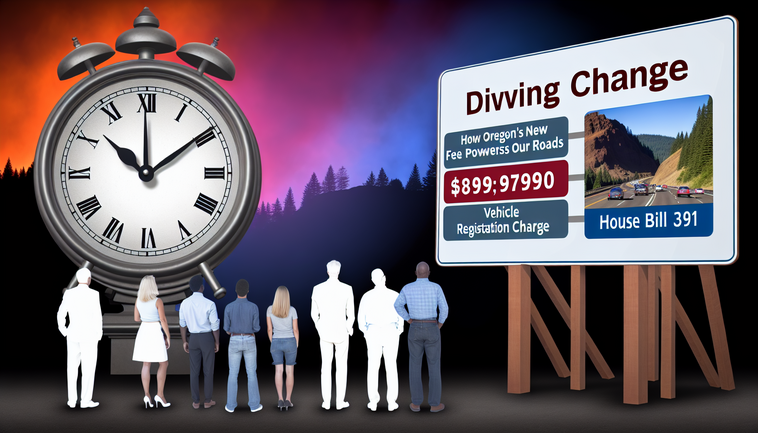
When the clock struck midnight on December 31, 2025, Oregon motorists saw a modest rise in vehicle registration charges. This shift, stemming from the Legislature’s sweeping House Bill 3991, represents more than a price hike—it marks a deliberate step toward strengthening the state’s transportation backbone.
Passed in September 2025, HB 3991 channels revenue to the Oregon Department of Transportation, municipal road departments, county crews, and regional transit agencies. Lawmakers designed the legislation to respond to decades of deferred maintenance and growing demands on bridges, highways, and public transit links.
For the average driver, the increase translates to just a few extra dollars per vehicle, yet the collective impact is significant. These additional funds will underwrite routine upkeep, guard against pothole proliferation, and ensure vital safety inspections occur on schedule.
Beyond asphalt and guardrails, reliable roads fuel local economies. Freight haulers, school buses, and emergency vehicles all depend on a network free from unexpected breakdowns. By shoring up infrastructure today, Oregon positions itself to attract businesses and avoid costly repairs down the line.
Still, some residents express concern over rising living costs. Small business owners worry about passing fees to customers, while low-income families face tighter budgets. To address these worries, officials are exploring targeted rebates and payment plans that soften the impact without derailing the overall funding strategy.
Looking forward, transparency will be key. Tracking how every dollar is spent—from resurfacing projects to bridge inspections—can bolster public trust. Regular progress reports and community forums will help ensure the legislation’s promise turns into tangible, well-maintained roads.
Change often comes with a period of adjustment, but this fee increase represents an investment in safety, reliability, and economic vitality. By accepting a modest cost now, Oregonians can look forward to smoother commutes, stronger bridges, and a transportation network ready for the challenges of tomorrow.