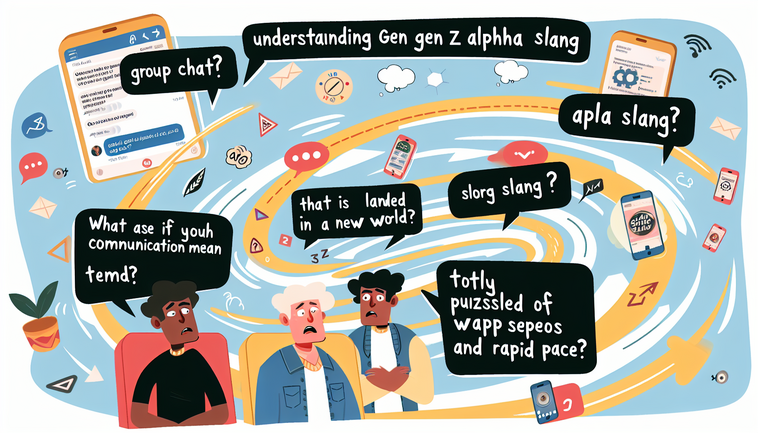
Ever open a group chat and feel like you’ve landed on another planet? From bite-sized videos to meme pages, today’s youth culture spins out fresh words at warp speed, leaving many of us puzzled by terms like beez or slopper. Navigating this vibrant vocabulary can feel like decoding a secret handshake, but it also offers a peek into the hopes, humor, and hot takes driving the next generations.
The term beez has gained traction as a shorthand nod to someone who claims ownership over the conversation. When you’re ‘beez,’ you’re broadcasting confidence or flexing your conversational turf. It’s part bravado, part inside joke – a playful marker of status within a friend circle or online community.
Then there’s slopper, a twist on clumsy or untidy behavior, often used sarcastically to roast a messy friend or clumsy post. Whether it’s a half-eaten snack spilled across a desk or a haphazard selfie, calling someone a slopper is a lighthearted reminder to tidy up their act – and perhaps stop taking themselves too seriously.
On the flip side, words like based, chad, and aura have taken on nuanced meanings beyond their original roots. To be based is to hold firm, unapologetic beliefs; a chad blends charisma with swagger; and aura describes the mood or energy radiating from someone’s profile or persona. These snapshots of identity reveal how young people curate and celebrate their digital selves.
We also encounter terms like delulu, chud, and mogged – each capturing a distinct shade of social interaction. Delulu labels someone lost in unreal expectations, chud calls out a blockheaded attitude, and mogged highlights moments when one person outshines another. Together, they form a shorthand for calling out drama, envy, or social hierarchy in a few syllables.
From a broader perspective, this linguistic parade showcases how digital natives constantly remix language to suit their landscape. Slang becomes a communal toolkit for bonding, dissent, humor, and identity construction. Watching these terms rise and fall offers clues to shifting priorities, ethical stances, and the playful resilience of youth culture.
In the end, decoding Gen Z and Gen Alpha slang isn’t just about staying in the loop – it’s about bridging generational divides and appreciating how language evolves in response to new contexts. Embrace the curiosity, lean into the questions, and you might just discover that the real power of these words lies in their ability to connect us across screens, ages, and attitudes.