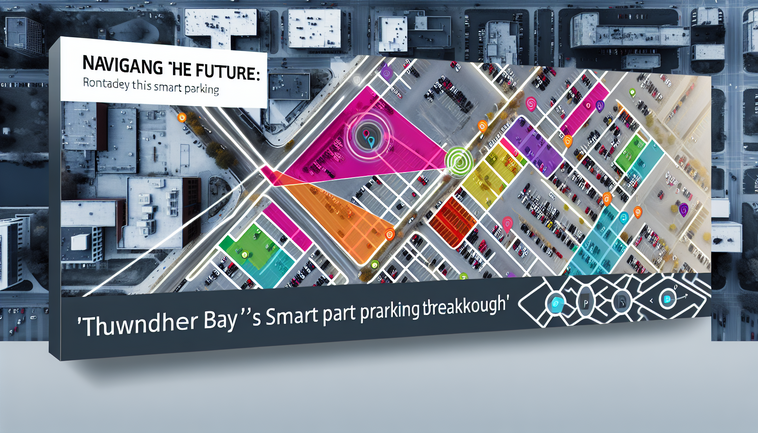
Driving through Thunder Bay’s bustling streets has just become less of a guessing game thanks to a freshly unveiled parking strategy that pairs 33 newly defined on-street zones with a complimentary mobile app. This initiative marks a clear step toward marrying urban mobility with modern convenience, promising to ease the daily rituals of commuters, shoppers and visitors alike.
City planners divided downtown and surrounding neighbourhoods into three dozen carefully mapped sectors, each reflecting unique demand patterns and peak usage times. By assigning a clear identity to every block—rather than relying on ambiguous signs or sporadic enforcement—residents can now better understand where and when they are allowed to park without risking a ticket.
The cornerstone of this program is the free smartphone application, which lets drivers locate open spaces, pay for parking sessions with a couple of taps and receive real-time reminders before their time expires. It’s a sleek solution that decreases roadside congestion caused by motorists hunting for coins or rushing back to paper tickets.
Beyond user convenience, the system has broader advantages. Retailers may see more consistent foot traffic when patrons spend less time circling blocks. Public transit and ride-share options could also benefit if fewer cars are clogging key corridors. And by cutting down on idle idling, the city takes a small but meaningful stride toward cleaner air.
Of course, rolling out any tech-driven service comes with challenges. Not everyone keeps a smartphone at the ready, and network connectivity can be spotty in fringe areas. Some long-time drivers may lament the loss of familiarity with legacy payment methods and will need patient assistance during the transition.
Looking ahead, it would be wise for city officials to consider supplemental kiosks or call-in options for users without internet access. Integrating this parking framework into a broader smart-city ecosystem—linking it to traffic signals, EV charging stations or public transit information—could unlock even greater efficiencies and user satisfaction.
All told, Thunder Bay’s new parking zones and accompanying app represent an encouraging experiment in responsive urban design. As citizens adapt and the system refines itself through real-world feedback, this blend of tech and policy may well light the path for other mid-sized cities seeking to tame on-street congestion while uplifting community mobility. Time will tell, but the road ahead looks promising.